

Los Angeles, CA · Services
One standard of care. Eight ways in.
Every service on this page runs through the same evaluation, the same physical therapist, and the same plan with an endpoint. The service is the tool; the standard is what doesn’t change.
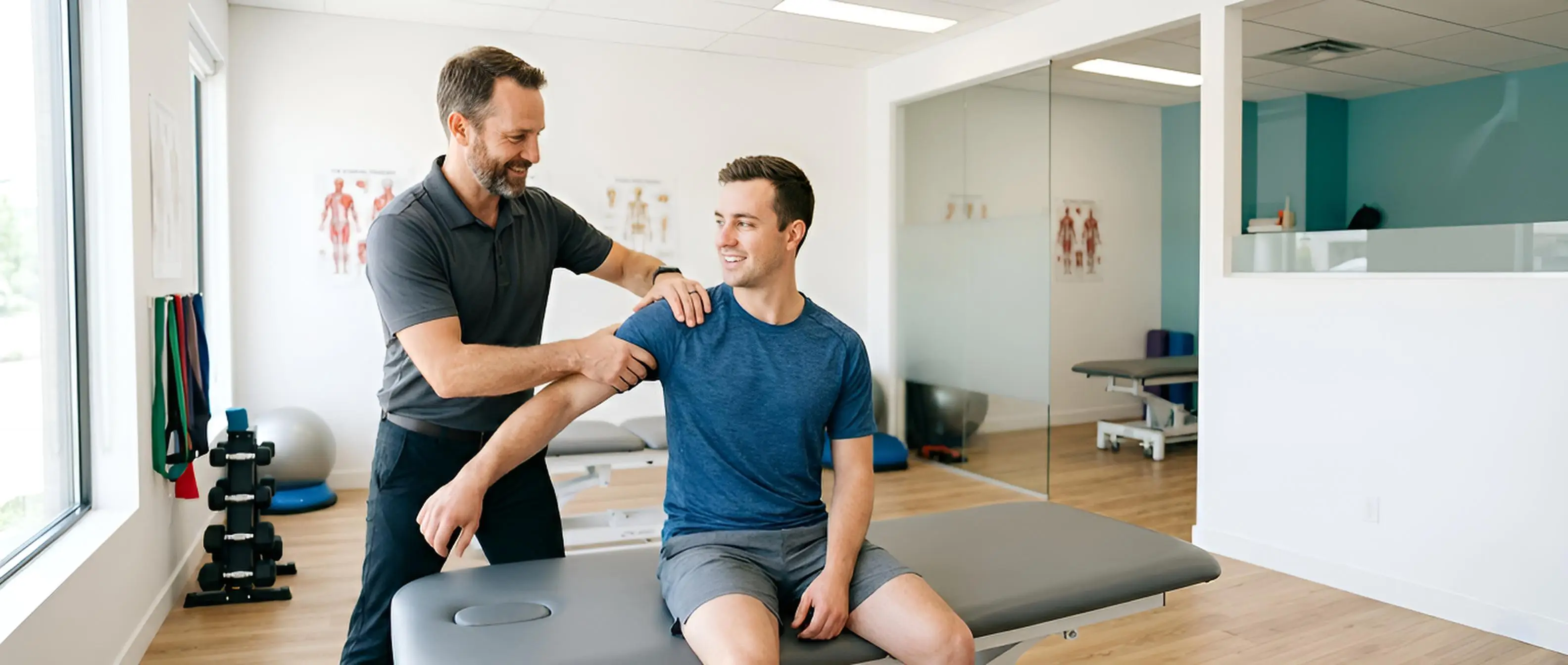
Most people don’t arrive already knowing which of these eight they need. That’s fine. Deciding is our job, not yours, and it happens at the evaluation, not on this page. Every visit starts the same way regardless of which service you eventually land on: a cause-first evaluation with a physical therapist, one-on-one, that finds the reason for the problem instead of guessing at the symptom.
From there, care moves through four named phases, Pain, Prime, Perform, Prevent, and every one of the eight services below exists to do a job inside that plan. Physical therapy is usually the foundation, the service most people start and finish on. Cupping, manual tissue release, IASTM, and manual therapy are hands-on tools we bring in when the plan calls for them, never sold as a separate errand or a standing weekly ritual. Personal training is what the plan becomes once the pain’s handled and the goal shifts to getting back out there, or staying out there longer than you did last time. Online therapy carries the same plan by video for the weeks the clinic isn’t within reach, and the infrared sauna supports recovery alongside whatever else you’re here for.
Guessing which service you need on your own tends to cost you a few wasted weeks: the treatment that felt good for a day and changed nothing, the training program aimed at the wrong joint because nobody tested the one above and below it first. An evaluation skips that guessing. It also means you’re never signed up for a service in isolation. None of these happen without a plan around them. Every service on this page answers to the same plan, the same therapist, and the same endpoint, whichever door you happen to walk through first.
The index.
Eight doors into the same standard. Read the summaries, or skip them; the evaluation decides either way.
Physical Therapy
Hands-on, cause-first care for pain that’s overstayed its welcome. This is the foundation nearly everyone starts on, and for most people it’s the entire plan. Your evaluation finds the actual source of the problem, not just where it hurts, and treatment begins that same visit. From there you move through Pain, Prime, Perform, and Prevent at your own pace, with a physical therapist running every session personally. No referral required to start, and no guessing about when it ends: the endpoint is named at evaluation and reviewed with you at every phase.

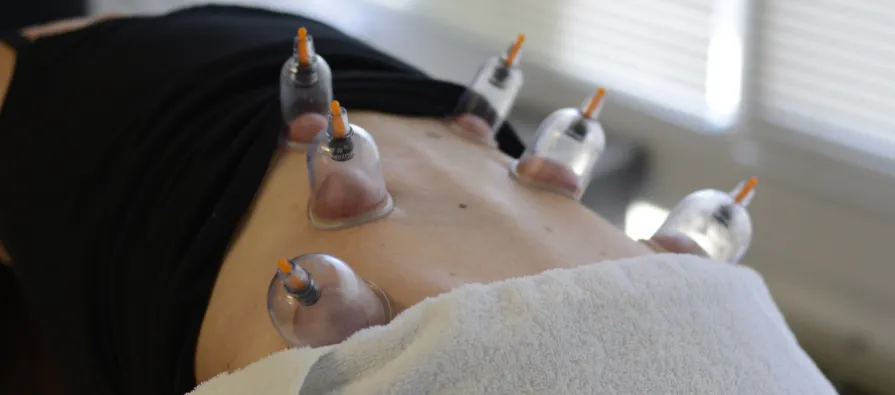
Cupping
Centuries-old suction therapy, used here for muscle tension, chronic pain, and athletes working their way back from injury. It’s a tool inside your plan, brought in when the evaluation points there, not a standalone spa treatment.
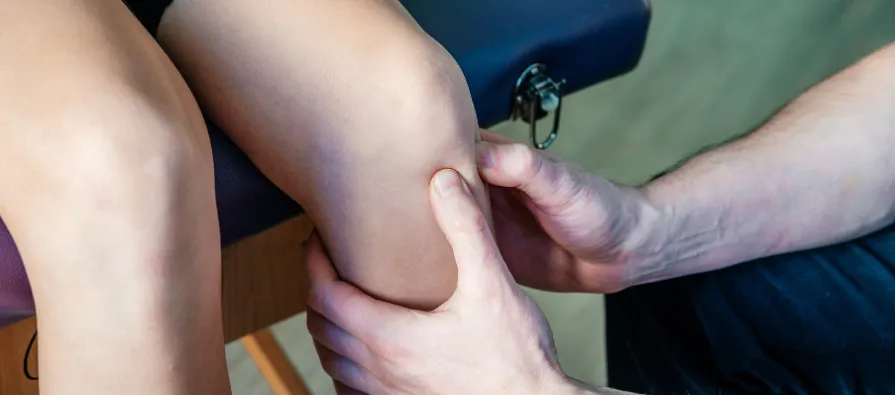
Manual Tissue Release
Hands-on soft-tissue work pairing manual pressure with your own active movement, aimed at the adhesions and scar tissue that stretching and time alone haven’t resolved.
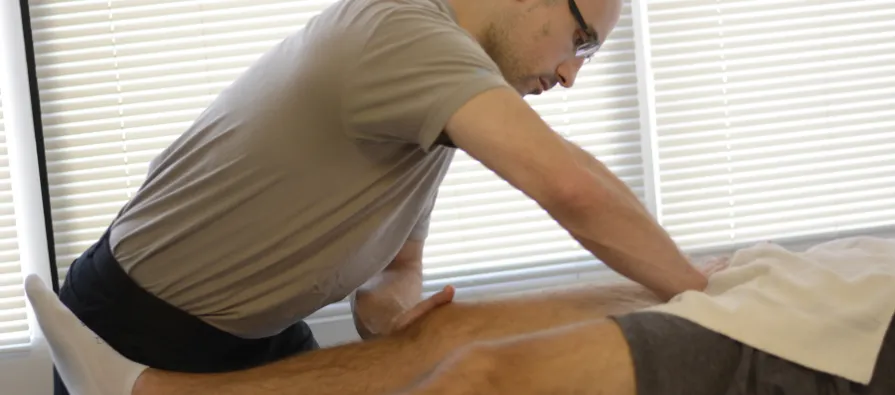
IASTM
Instrument-assisted soft tissue mobilization: Graston-style tools that scan for and treat restriction, built for overuse injuries and getting older athletes back to activity.
Infrared Sauna Therapy
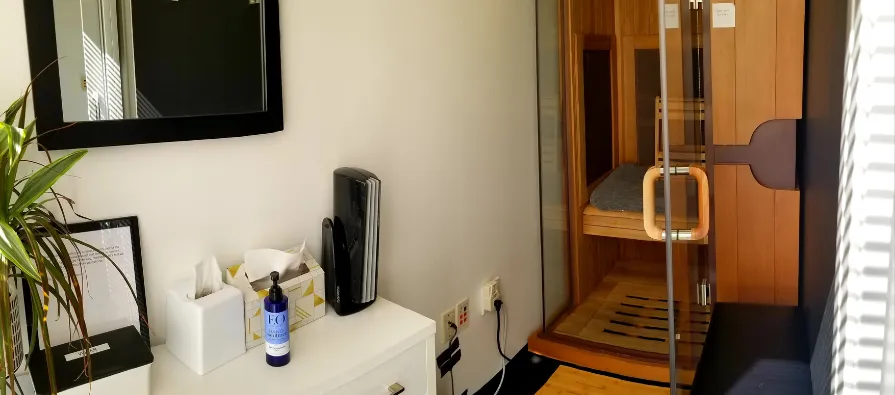
A Sunlighten Aspire 3-in-1 full-spectrum infrared sauna, in-clinic, for detox, pain relief, and recovery. A distinctive offering most clinics don’t carry.
Manual Therapy
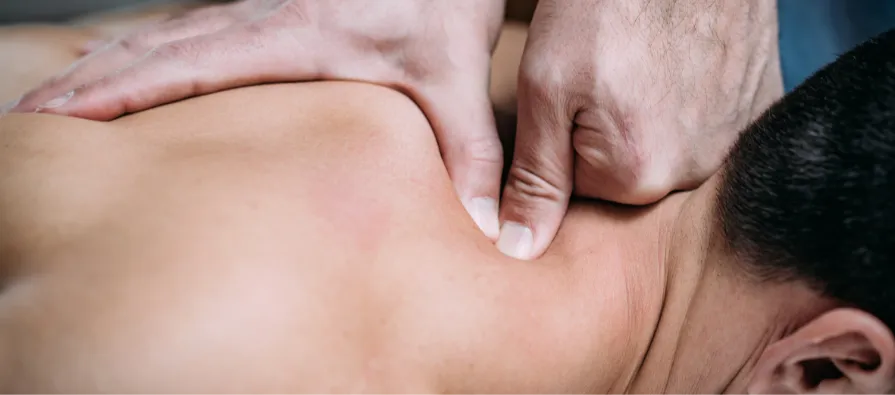
Joint mobilization, muscle energy technique, myofascial release, and trigger point therapy: deeper, more targeted hands-on work than a standard session alone.
Online Therapy
The same one-on-one plan delivered by video, over Google Meet, Zoom, or Skype, one-on-one or in a small group of two to four, no special equipment required.

Personal Training
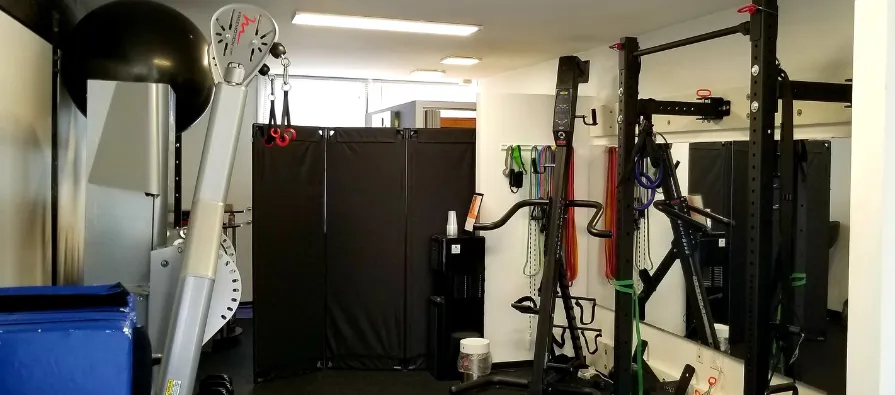
One-on-one, small-group, or hybrid training built on corrective exercise and run personally by Jason Ferine, MSPT, as head trainer: for athletic and performance goals, and for whole-body programming that keeps an old injury from coming back.
Not sure which one is yours.
Here’s the honest version: you don’t need to know. The people who end up on this page usually aren’t trying to self-diagnose which hands-on technique or which kind of program they need, they’re just trying to stop guessing and start somewhere. That’s exactly what the evaluation is for. Book the appointment, describe what’s going on in your own words, and your physical therapist routes you to the right service, or the right combination of two or three, before you’ve spent a dollar guessing on your own.
A rough starting point, if you want one: pain that’s new or that’s been nagging for weeks usually starts with physical therapy. A single stubborn knot that hasn’t responded to anything else is a cupping, manual tissue release, or IASTM conversation. Getting stronger, chasing a performance goal, or keeping an old injury from coming back lives in personal training. But treat that as a guess, not a diagnosis, the same way we would; the evaluation is what actually decides it; the paragraph above is just a place to start the sentence when you call.
If you already know your symptom better than the service you need, start on What We Treat ⟶ instead and work backward from there.
Put it in writing.
Five short questions. Our virtual assistant typically responds the same business day but may take up to 24 hours.
The people who end up filling this out are rarely in the worst pain of their life. They’re just done working around it, done picking the errand that doesn’t require the stairs. If that’s the stage you’re at, this is the part where you stop researching and start.
Consider it filed.
Our virtual assistant typically responds the same business day but may take up to 24 hours. Keep your phone nearby.
Can’t wait? Call (424) 365-2083 ⟶Easy to find. Easy to park.
In the neighborhood, with parking half a block away. Come see the place before you commit, if you like.
The clinic · Jason Ferine Physical Therapy
Get Directions ⟶Opens in Google Maps